The Personal Cost of Care
Hospice Isle of Man provides free care to people facing life limiting illnesses with specialist palliative care needs and, by extension, also to their loved ones.
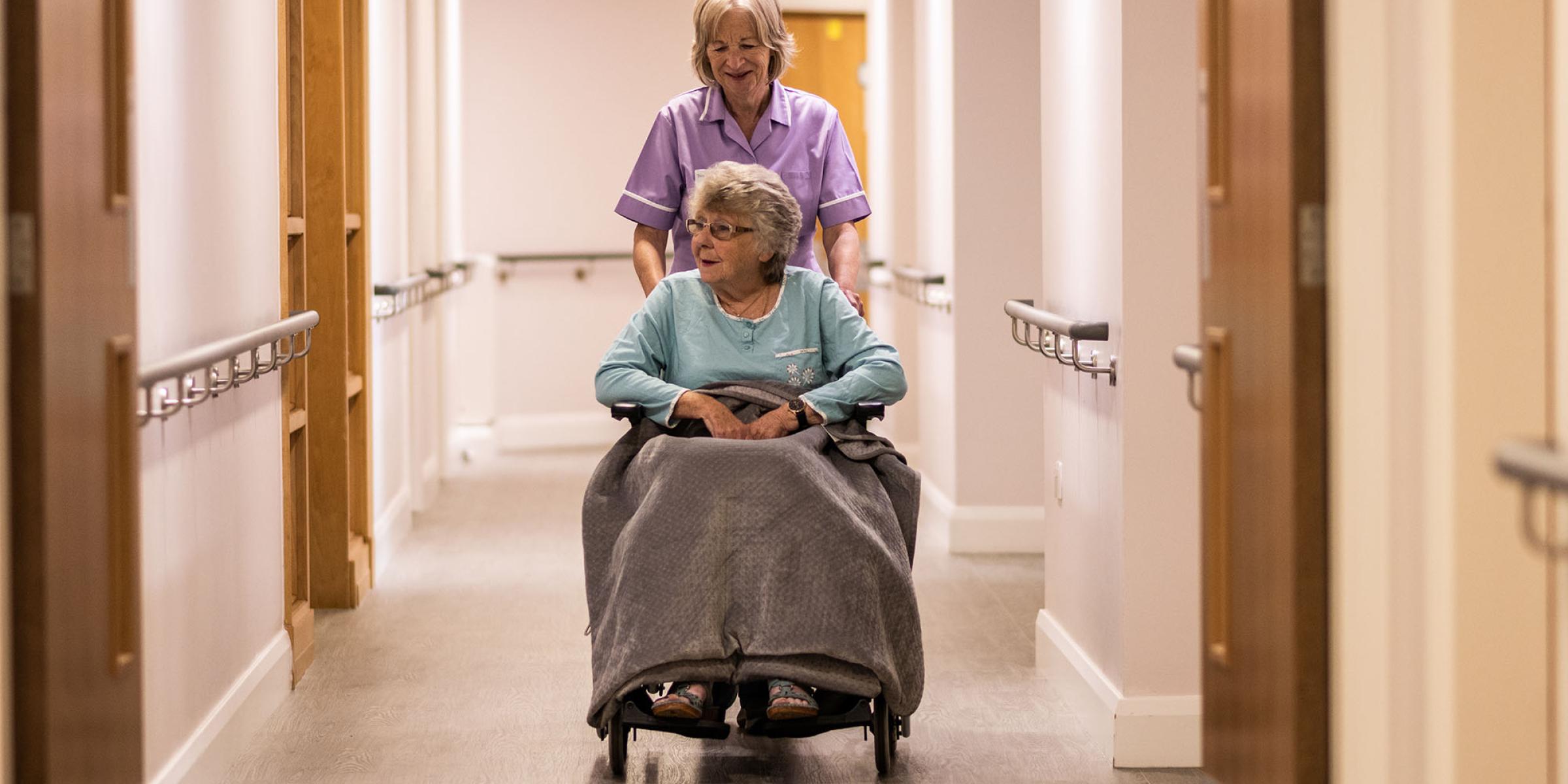
Hospice Isle of Man provides free care to people facing life limiting illnesses with specialist palliative care needs and, by extension, also to their loved ones.
Palliative care is a specialist commodity. When there are no curative treatments being sought the focus shifts entirely to symptom management to make the person comfortable with a clear focus on quality of life rather than length of life. Hospice care is all about accommodating and supporting individuals’ wishes and helping to fulfil goals, however big or small, which ensures that life remains meaningful and fulfilling until the end.
By providing expert palliative care free of charge, Hospice Isle of Man helps to alleviate some of the ‘personal costs’ borne by families as a result of supporting loved ones through end of life care. This enables patients and their loved ones to focus on emotional well-being and quality of life during this difficult time. However, the provision of such high-quality, specialised care comes at a substantial financial cost to Hospice. The expert clinical care, complex medical treatments, specialised equipment, and round-the-clock support required necessitate significant funding to ensure patients receive the best possible care.
The Personal Cost
The ‘Better End of Life Research Report 2024’ [1] funded by Marie Curie found that many respondents were unprepared for the responsibility that they perceived fell to them.
While hospice staff receive specialised training to manage the emotional and physical demands of their challenging but deeply meaningful work, caregivers and family members often find themselves unprepared for the struggles of providing end of life care and Caring for Dad, getting him to appointments, ensuring prescriptions were collected and trying to work and study, all at the same time was physically and emotionally exhausting at times. Cheryl Dodd The Personal Cost of Care support. The loved ones of our patients often take on entirely new roles in an entirely new and dynamic situation and this brings a whole variety of challenges in itself.
By understanding the depth of the emotional, physical, and financial burdens faced by loved ones and caregivers we, along with employers and friends, can ensure that they receive the care, support and resources they need. This knowledge fosters a culture of empathy and compassion, empowering loved ones to approach each day with greater resilience and hope.
The Emotional Toll
The emotional burden on families undergoing hospice care is profound and families can face a rollercoaster of complex feelings. The heartache experienced by caregivers is profound and multifaceted. Grief, anger, fear, and guilt are common. The constant stress of witnessing a loved one's decline, coupled with the uncertainty of the future, can lead to a range of mental health challenges. Depression and anxiety are common companions for those supporting loved ones at end of life.
Beyond the immediate emotional pain, there is often a profound sense of isolation and a diminished sense of self-worth as they prioritise the needs of their loved one over their own. As families become engrossed in the everchanging demands of care, and their routines are disrupted, they may find it difficult to maintain social connections and engage in activities that bring them joy. This isolation can exacerbate feelings of loneliness and despair which can lead to a sense of loss of control and independence.
The Physical Strain
Supporting a loved one through a terminal illness is physically demanding. Tasks such as bathing, dressing, and moving patients can be physically exhausting, especially for those with limited mobility or strength. Caregivers may experience chronic pain, injuries, exhaustion and sleep deprivation.
The physical strain can also lead to neglect of personal health. In the focus on caring for the patient, caregivers often prioritise their loved one’s needs over their own. This can result in poor nutrition, lack of exercise, and increased susceptibility to illness.
The ‘Better End of Life Research Report 2024’ highlighted that it is often the case that many carers are ‘frail or in poor health themselves and struggled physically with caring tasks; some seemed to be caring alone for most of the time.’
The Loss of Income
One of the most immediate and tangible impacts for carers can be the loss of income. The financial strain caused by lost income can be devastating. As a loved one's health deteriorates, family members may find themselves forced to reduce or entirely relinquish their work responsibilities.
This can be due to several factors:
Providing round-the-clock care for a dying loved one often makes it impossible to maintain a full-time job.
Frequent doctor's appointments, hospital visits, and consultations can disrupt schedules and lead to missed opportunities.
The stress and grief associated with hospice care can significantly affect a caregiver's ability to concentrate and perform at work.
Half of the respondents of the ‘Better End of Life Research Report 2024’ who were in paid employment had their work impacted, by either taking paid or unpaid leave, changing their work hours, or stopping work.
The actual cost of delivering Hospice care:
Hospice in numbers Hospice care is delivered free to those who have specialist palliative care requirements that cannot be met by another organisation, but the costs of providing this care, which extends far beyond the Inpatient unit (the most familiar element of Hospice Care) are substantial and continually It was tough going as often, we were not sure if we were doing the right thing. We struggled to lift her, turn her, keep her clean and toileted. Better End of Life Research Report 2024 rising.
In 2024 the budgeted annual operating costs are £6.8m, rising to £7.3m in 2025.
81pence in every pound spent goes directly to providing and supporting patient care at Hospice Isle of Man, which in the world of not for profits demonstrates low central administration and management costs.[2]
The delivery of clinical care costs around £550 per hour to fund.
In 2024 it is expected that 52% of revenue will be received from direct public support in the form of fundraising, legacies, and donations. Commercial activities will bring in 14% of projected funding, with the remaining 34% coming from Government (23%) and Grants (11%).
We are proud to provide our care free of charge and no financial contribution is requested from patients or their loved ones.
However, if you have private health insurance you may be able to claim which will assist us in providing future care to others here at Hospice Isle of Man. Many health insurers are willing to recognise services provided in the form of a donation.
Conclusion
A comprehensive support system for caregivers requires a collaborative effort. When everyone works together, we can create a strong network that empowers caregivers, reduces stress, and enhances their overall well-being. It is vital that employers demonstrate compassion to employees who have taken on a caregiving responsibility and for loved ones supporting people through end of life care by providing flexible work arrangements, bereavement leave, and access to employee assistance programs. Friends and family members can offer crucial emotional support, practical assistance, and companionship.
Hospice Isle of Man plays a pivotal role by offering invaluable support in the form of respite care, complementary therapies, psychological and bereavement support, and education to equip caregivers with the necessary tools. We require substantial income to continue to deliver the expert care which we believe is a fundamental right for all. Here at Hospice Isle of Man we understand the need to find innovative ways to generate income and are proactively exploring commercialisation opportunities to build a sustainable future. However, continued public support remains essential to support our mission and provide for the Island’s community.
[1] Time to care: Findings from a nationally representative survey of experiences at the end of life in England and Wales. September 2024. Better End of Life Report 2024 (mariecurie.org.uk)
[2] Data from the UK Civil Society Almanac shows that in 2020 – 2021 charities spent around 69% of their annual spending on charitable activities i.e. providing the services or fulfilling the duties that the charity exists to provide.